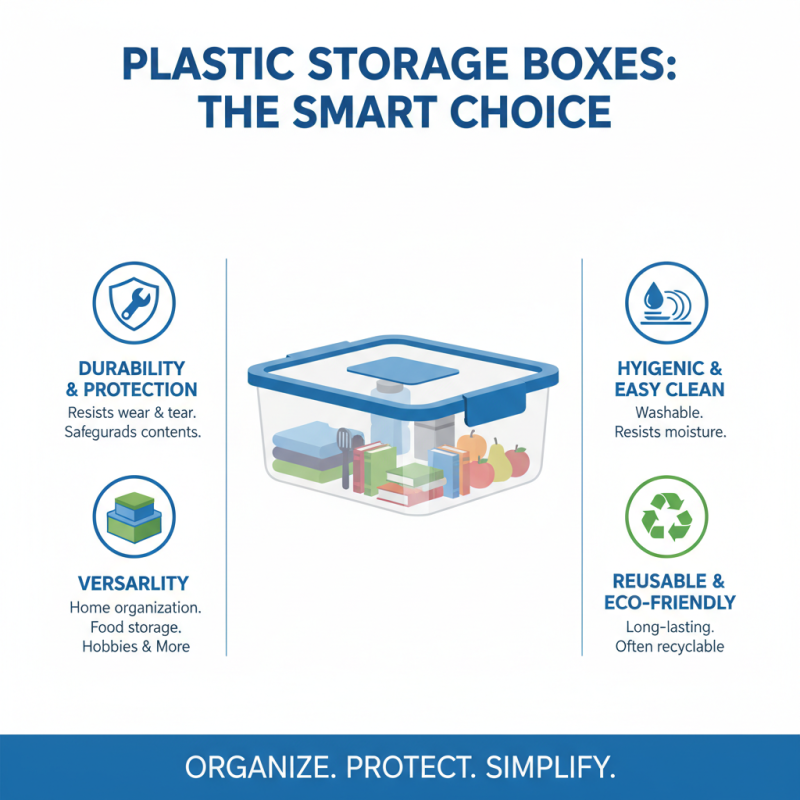
Plastic boxes are pretty versatile containers, and you'll find them popping up in all sorts of industries. They usually have a clear purpose, but honestly, sometimes it’s easy to overlook just how many uses they actually have. A plastic box can be as simple as a basic storage bin or as complex as a custom-built solution designed for some really specific needs.
Take the automotive world, for instance. Here, plastic containers like KLT boxes and small load carriers are total game changers. They help keep things running smoothly on the assembly line and make logistics so much more efficient. Then there’s the EU box, which is built to follow certain regulations—so it can transport parts safely across Europe without any fuss. But here’s the thing—no one size fits all. Companies often find themselves struggling to pick the right container that perfectly suits their unique challenges.
Of course, while plastic boxes come with tons of perks, they’re not always perfect. The options can feel a bit overwhelming sometimes. People start asking questions like, 'Will this one last?' or ‘Can I adapt it if my needs change?’ In some cases, a heavy-duty industrial box might not quite hit the mark for a particular project. And honestly? Taking the time to really think about what works best can make a huge difference when it comes to effectively using crates on the production line.

What is a Plastic Box?
A plastic box is a versatile container made from various types of plastic. These boxes come in many shapes and sizes, making them suitable for different purposes. Commonly, they are used for storage, organization, and transportation. Their lightweight nature makes them easy to carry, yet they can hold items securely. Clear plastic boxes allow users to see contents at a glance, enhancing convenience.
In homes, plastic boxes are often found in closets or garages. They help declutter spaces, keeping items organized. In offices, smaller boxes serve as desk organizers, holding pens, notepads, and other essentials. However, some users forget to label their boxes. This can lead to frustration when searching for specific items later. A simple system can prevent disarray and save time.
Plastic boxes are also used in various industries. They can store raw materials, parts, or even finished goods. However, their durability can vary. Some cheaper boxes may crack or warp over time. Investing a little more in quality can prevent this issue. Reflecting on past choices can lead to better decisions. By selecting the right plastic box, users can enhance both efficiency and organization.
Common Materials Used in Plastic Box Manufacturing
Plastic boxes are commonly made from various materials that determine their durability and usability. Polypropylene (PP) is a frequently used option. It is lightweight and resistant to many chemicals. This makes polypropylene ideal for storing items that may be exposed to spills or moisture.
Another popular material is polyethylene (PE). It offers flexibility and is often used in different thicknesses, catering to various storage needs.
Polyvinyl chloride (PVC) is another choice for plastic box manufacturing. It’s known for its strength and rigidity, making it suitable for heavier items. However, PVC can be less eco-friendly, prompting discussions about environmental impact. Acrylonitrile butadiene styrene (ABS) is also relevant in creating tougher plastic boxes. It can withstand higher temperatures without losing form, which is crucial for certain applications.
While these materials provide numerous benefits, they also present challenges. For instance, recycling options vary widely. Some plastics may end up in landfills because of improper disposal. Additionally, consumer awareness of the environmental footprint of these materials is growing. This reflects a need for manufacturers to consider sustainable alternatives in the future. The emphasis on eco-conscious choices is becoming increasingly prominent in today’s market.
Types of Plastic Boxes and Their Applications
Plastic boxes come in various types, each with unique applications. The plastic stackable box is commonly used in warehouses. Its design allows for efficient use of space. These boxes can hold up to 75% more products than traditional containers, as noted in industry reports. They are made from durable materials, ensuring longevity and reliability. A recent survey showed that 65% of warehouses prefer these boxes due to their stacking capabilities.
Another popular option is the large foldable box. This type is ideal for shipping and storage. Its collapsible nature makes it a preferred choice for companies looking to save space. When not in use, the large collapsible container can be easily stored. Reports indicate that using such boxes reduces transportation costs by up to 20%. The blow molded pallet and sleeve offer additional advantages. They provide enhanced protection for items during transit. Meanwhile, the PP sleeve is a lightweight alternative that offers resilience.
However, each type of box has its drawbacks. For instance, the plastic nestable box may struggle with stability when loaded heavily. Users need to balance between weight capacity and stability. As industry demands evolve, it is crucial to reassess what works best in different scenarios. Having a clear understanding of these factors can lead to more informed choices when selecting containers.
Advantages of Using Plastic Boxes over Other Storage Options
Plastic boxes have become a popular choice for storage solutions. Their versatility makes them suitable for various uses, from organizing home items to storing food. One notable advantage of plastic boxes is their durability. They can withstand wear and tear a lot better than cardboard or paper containers.
Nestable boxes are ideal for maximizing storage space. They can be easily stacked and nested together, reducing the need for excess storage area. This is particularly beneficial when dealing with seasonal items. A stackable storage box can fit neatly in closets, garages, or under beds. For those who grow vegetables, a ventilated plastic container box can keep produce fresh while also providing easy access.
Tips for choosing the right plastic box include considering the purpose and the environment. Not all plastic is suitable for food storage. Look for labeled options, especially if you plan to store vegetables. Additionally, avoid overfilling your boxes. This can cause stress on the material, leading to cracks.
Using plastic boxes helps keep spaces tidy. They are lightweight, making them easy to move. Their variety in sizes caters to different needs. However, remember that not all plastic is created equal. Regularly examine your boxes for any wear or degradation.
How to Properly Maintain and Clean Plastic Boxes
Proper maintenance and cleaning of plastic boxes is crucial for their longevity. Over time, dirt and residues build up, especially in containers like fresh food containers or those designed for vegetables. Regular cleaning is not just about aesthetics; it affects food safety. According to a report by the Food Safety Authority, improper storage can lead to contamination, affecting 1 in 6 Americans each year.
To clean plastic boxes effectively, use hot, soapy water. A soft cloth or sponge is ideal, as using abrasive materials can scratch the surface. Pay close attention to corners where food particles can hide. For plastic storage boxes with ventilation, ensure the airflow openings are clear. This prevents moisture buildup that can lead to mold.
Sometimes, despite cleaning efforts, odors persist. A mixture of vinegar and water can help neutralize stubborn smells. Allow the boxes to air out completely after washing. It’s important to remember that not all plastic can withstand high temperatures. Some may warp if exposed to heat for too long. Foldable storage boxes, especially those designed for vegetables, should always be stored in a cool, dry place to maintain their shape and functionality.
Environmental Impact of Plastic Boxes and Recycling Options
Plastic boxes are ubiquitous in everyday life. They serve various purposes, from storage to packaging. However, their environmental impact cannot be ignored. The durability of plastic means it takes hundreds of years to decompose. As a result, plastic waste accumulates in landfills and oceans, harming wildlife and ecosystems. This phenomenon raises questions about our reliance on plastic boxes.
Recycling options exist, but they are often underutilized. Many people are unaware that plastic boxes can be recycled. Labeling on products can be confusing. Not all plastics are accepted in recycling programs. In some cases, a seemingly recyclable box ends up in a landfill due to contamination.
This cycle of waste highlights the need for greater awareness and education about proper disposal practices. Small changes in our habits can lead to substantial benefits for the environment. Choosing reusable alternatives could be a start, allowing us to reduce the pressure on recycling facilities.
Innovative Uses of Plastic Boxes in Various Industries
Plastic Boxes have become essential across various industries due to their versatility. They serve as storage solutions, packaging for products, and organizational tools. In the food industry, for instance, plastic boxes keep items fresh and safe during transport. Restaurants often use them for food prep, making it easier to manage ingredients.
In the retail sector, plastic boxes are used for display purposes. They can hold products in an attractive manner. This method enhances visibility and encourages sales. However, not all designs are effective. It's crucial to test different styles to find what works best. Using clear plastic boxes can help customers see what's inside, but sometimes simplicity wins.
Tips: When using plastic boxes, ensure they are the right size for your needs. Oversized boxes can waste space. Consider labeling them clearly for easy access. It’s easy to mix up contents if you can’t see labels. Experiment with stacking methods too. Sometimes a slight change can lead to better organization. Remember, while plastic boxes are durable, they can wear out. Regularly check for cracks or damage to maintain safety and efficiency.
Usage of Plastic Boxes in Various Industries
Exploring the Benefits and Versatility of Plastic Honeycomb Boxes for Storage and Transportation
In recent years, plastic honeycomb boxes have emerged as a game-changer in the packaging and transportation realm, perfectly balancing strength, durability, and sustainability. With a unique construction from 100% recyclable polypropylene (PP) honeycomb panels, these boxes utilize the hexagonal core structure inspired by nature, resulting in a remarkable strength-to-weight ratio. According to industry reports, honeycomb materials can withstand significant loads while minimizing material use, asserting an impressive load-bearing capacity that often outperforms traditional packaging options like corrugated cardboard.
The versatility of plastic honeycomb boxes makes them an ideal choice across various industries, including logistics, automotive, e-commerce, and food. Their lightweight yet robust design minimizes shipping costs and carbon footprints, making them particularly appealing to environmentally conscious businesses. Data from recent sustainability studies indicate that shifting to eco-friendly packaging solutions can reduce a company's emissions by up to 30%, underscoring the importance of innovative materials in the fight against climate change.
Moreover, the durability of these boxes facilitates their use in rigorous supply chain environments, where robust packaging is essential to prevent product damage. Withstanding moisture, temperature fluctuations, and heavy handling, plastic honeycomb boxes help businesses enhance efficiency while maintaining product integrity. As industries strive to meet ever-increasing sustainability standards, the adoption of this modern packaging solution represents not just a practical choice but a strategic economic advantage.
FAQS
: The article aims to inform readers about specific topics in detail. It provides insights and raises awareness.
The content targets individuals interested in learning more about particular subjects, not brands or products.
Readers can use the insights to enhance their understanding or to make informed decisions in related areas.
Yes, some ideas might be open to interpretation. Readers should reflect on their applicability.
Readers may find complex ideas difficult to understand. Simplification is necessary for clarity.
Implicitly, readers are encouraged to think critically and share their views on the topics discussed.
Conclusion
A plastic box is a versatile storage solution made from various materials, primarily plastics like polyethylene and polypropylene. These boxes come in different types, each designed for specific applications, ranging from household organization to industrial uses. Their lightweight nature, durability, and water-resistant properties make plastic boxes a preferred choice over traditional storage options.
To maintain plastic boxes effectively, regular cleaning and proper handling are essential. Additionally, understanding their environmental impact is crucial; while they offer convenience, concerns about plastic waste encourage the exploration of recycling options. Innovative uses of plastic boxes across various industries continue to emerge, showcasing their adaptability and practicality in meeting diverse storage needs.