


Reusable transport packaging is no longer a back-office detail; it is a measurable lever for cost control, product protection, and supply chain resilience. Coaming boxes stand out because they combine pallet compatibility, modular height adjustment, heavy-duty protection, and collapsible return efficiency in one system. For manufacturers moving high-value components, batteries, machinery parts, or export goods, the supplier behind the box matters as much as the design itself. This article explains how to evaluate coaming box partners, which specifications influence long-term performance, and why factors such as lifespan, reverse logistics volume, pallet standards, and customization can directly affect business growth.
Why Coaming Box Suppliers Matter
The strategic selection of packaging suppliers is a critical determinant of operational efficiency, cost control, and product integrity in modern supply chains. As global logistics networks become increasingly complex, organizations are shifting away from single-use packaging toward robust, returnable transit packaging (RTP) solutions. At the forefront of this shift is the coaming box, a modular enclosure system that integrates with standard pallets to create a highly adaptable, heavy-duty shipping container. Procuring these systems from the right manufacturing partner is not merely a purchasing exercise; it is an infrastructure investment that directly impacts bottom-line profitability.
A well-engineered coaming box system can offer a functional lifespan of 5 to 10 years, drastically reducing recurring consumable costs. Furthermore, their collapsible nature typically yields a 70% to 80% reduction in volume during reverse logistics. However, realizing these operational and financial benefits requires partnering with a supplier capable of delivering consistent material quality, precision engineering, and scalable production. Evaluating suppliers on their technical merits and production capacity ensures that the resulting packaging infrastructure will withstand the rigorous demands of global distribution networks.
How coaming boxes support scalable industrial packaging
Scalability in industrial packaging requires modularity and standardization, two areas where coaming boxes excel. By allowing warehouse operators to adjust the height of the container through the addition or removal of sleeve panels, these systems accommodate variable product dimensions without requiring an extensive inventory of diverse box sizes. This modularity is particularly critical in sectors dealing with heavy, high-value, or sensitive components.
For example, the New Energy Batteries Industry relies heavily on scalable packaging to transport dense lithium-ion cells and battery packs safely. A supplier that understands the specific weight distribution and electrostatic discharge (ESD) requirements of such industries can provide coaming panels reinforced with anti-static additives and higher-density core structures. By standardizing on footprints like the Euro pallet (1200x800mm) or the standard industrial pallet (1200x1000mm), suppliers enable automated handling systems and automated storage and retrieval systems (AS/RS) to scale seamlessly as production volumes increase.
What problems the right supplier helps solve
The right packaging partner solves systemic supply chain bottlenecks that extend far beyond simple containment. High product damage rates, escalating freight costs due to poor cube utilization, and excessive warehouse labor dedicated to packaging assembly are common operational failures. An experienced supplier addresses these by engineering solutions that optimize structural integrity and ergonomics.
In scenarios where transit vibrations and impact shocks lead to unacceptable defect rates—often exceeding 4% in poorly packaged heavy industrial goods—a competent supplier will design customized internal dunnage integrated directly into the coaming system. This targeted approach can reduce breakage rates to under 0.5%. Additionally, suppliers mitigate labor inefficiencies by implementing advanced hinge designs and locking mechanisms, reducing the time required to assemble or collapse a unit from several minutes to less than 30 seconds per operator.
Key Coaming Box Specifications
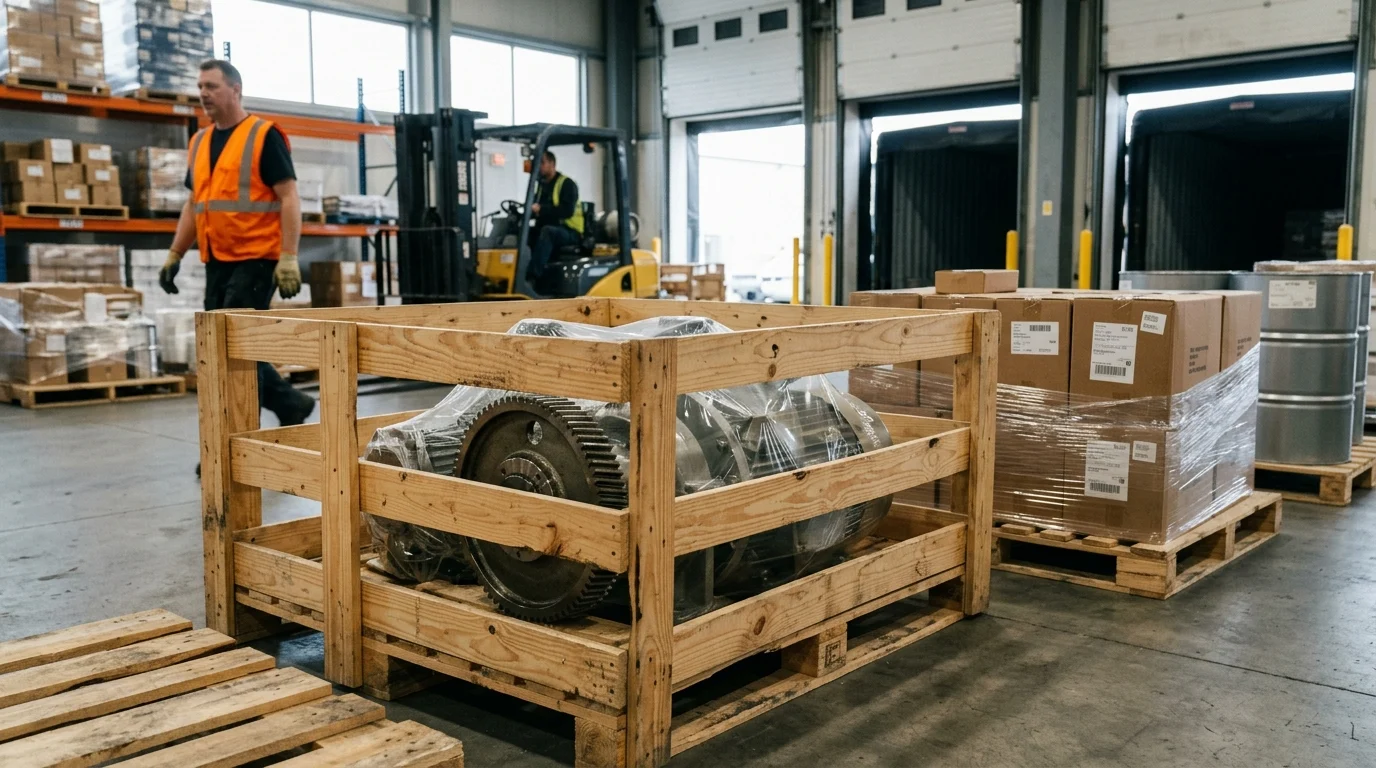
Evaluating a coaming box requires a rigorous assessment of its technical specifications to ensure it meets the dynamic stresses of the intended supply chain. Procurement teams must move beyond superficial dimensions and scrutinize the engineering parameters that dictate load-bearing capabilities, material resilience, and overall lifecycle value. Establishing strict baseline specifications is the only reliable method for normalizing bids across multiple manufacturers.
Load capacity, dimensions, and stacking strength
The structural performance of a coaming system is defined by its static and dynamic load capacities, which dictate how the boxes perform in storage and transit, respectively. Industrial-grade plastic coaming boxes are typically engineered to support dynamic loads ranging from 800 kg to 1,500 kg, making them suitable for forklift handling and over-the-road transport. In warehouse environments, static load capacity is paramount; a high-quality unit should safely support up to 4,000 kg, allowing for stacking configurations of 1+4 or 1+5 high, depending on the ceiling clearance and floor load limits.
Dimensional stability is equally critical. Standard heights for individual coaming sleeves usually range from 200mm to 1000mm. The stacking strength relies heavily on the interlocking tolerances between the pallet base, the coaming sleeve, and the top lid. If the supplier's manufacturing tolerances exceed ±2mm, the assembled unit may experience lateral shifting under heavy compression, compromising the vertical load path and leading to catastrophic stack failure during extended warehousing.
Material choices, panel construction, and hinges
Modern coaming boxes are predominantly constructed from twin-wall polypropylene (PP) sheets, often featuring a honeycomb or corrugated core structure. The core geometry directly influences the panel's rigidity and impact resistance. High-performance applications demand a panel thickness between 10mm and 12mm, with a material density of at least 3,000 grams per square meter (GSM). This ensures the panels can resist puncture from forklift tines and blunt force impacts during loading.
Hinge construction is a frequent point of failure in poorly manufactured units. Hinges must withstand continuous folding and unfolding in harsh environments. Premium suppliers utilize extruded M-fold or Z-fold plastic hinges, or heavy-duty galvanized steel hinges for wooden variants. A specification standard should require hinges rated for a minimum of 50,000 fold cycles without material fatigue or stress cracking, ensuring the sleeve maintains its structural integrity over a multi-year lifespan.
Cost and performance comparison points
Comparing coaming boxes requires balancing initial capital expenditure against long-term operational performance. While traditional wooden pallet collars present a lower upfront cost, advanced polymer composites offer superior durability, hygiene, and weight reduction. The following table outlines standard comparison points between the two primary material categories used in industrial applications.
| Specification Metric | Plywood / Wood Coaming Box | Polypropylene (PP) Honeycomb Box |
|---|---|---|
| Average Unit Cost (1200x800mm) | $25 – $45 | $65 – $120 |
| Tare Weight (Sleeve Only) | 12 kg – 18 kg | 4 kg – 8 kg |
| Expected Lifespan | 1 – 3 Years | 5 – 10 Years |
| Moisture / Chemical Resistance | Low (Susceptible to rot/mold) | High (Impervious to water/most oils) |
| ISPM-15 Export Treatment | Required (Heat treatment/Fumigation) | Exempt (Ready for global export) |
| End-of-Life Disposal | Landfill or biomass processing | 100% Recyclable into new resins |
By analyzing these metrics, organizations can model the Total Cost of Ownership (TCO). A PP honeycomb system, despite its 150% to 200% price premium, typically achieves a positive return on investment within 12 to 18 months due to reduced freight weight, zero fumigation costs, and elimination of product damage caused by wood splinters or loose nails.
How to Compare Coaming Box Suppliers
Once technical requirements are established, the next phase is evaluating the manufacturers themselves. The global market is saturated with packaging vendors, ranging from basic trading companies to advanced, vertically integrated engineering firms. Distinguishing between a transactional vendor and a strategic manufacturing partner requires analyzing their engineering agility, financial structuring, and rigorous quality assurance protocols.
Engineering and customization capabilities
A supplier's engineering capability is tested by their ability to adapt standard products to complex logistical challenges. Customization extends beyond merely altering the height or color of the coaming sleeve. Advanced suppliers maintain in-house CAD/CAM teams capable of designing bespoke internal packaging, such as EVA foam inserts, thermoformed trays, or textile dunnage that integrates perfectly with the outer box.
This level of integration is essential in sectors like the Household appliance industry, where large, easily scratched surfaces and fragile electronic control boards require precise immobilization during transit. A top-tier supplier will utilize finite element analysis (FEA) to simulate load stresses on customized dimensions, ensuring that altering a standard 1200x1000mm footprint to a custom 1400x1100mm size does not compromise the 4,000 kg static load rating or introduce unacceptable panel deflection.
Pricing, tooling, and minimum order requirements
Financial transparency and flexibility are critical when comparing suppliers. Customization often introduces tooling costs for specialized extrusion dies or injection-molded pallet bases. Tooling investments can range from $3,000 for simple custom sleeve modifications to over $50,000 for proprietary base and lid molds. Buyers must clarify whether these costs are amortized into the unit price or paid upfront, and who retains ownership of the molds.
Minimum Order Quantities (MOQs) also serve as a filtering mechanism. While massive tier-one manufacturers might demand MOQs exceeding 2,000 units, agile suppliers often support pilot runs with MOQs as low as 100 to 200 units, allowing the buyer to validate the packaging in real-world transit before committing to a full fleet rollout. Clear pricing matrices that show volume break-points (e.g., pricing at 500, 1,000, and 5,000 units) are essential for accurate long-term budget forecasting.
Quality controls and testing methods
Quality control cannot be verified through marketing brochures; it must be substantiated by documented, standardized testing methods. Suppliers should hold ISO 9001 certification at a minimum, with robust incoming material inspections to verify the melt flow index and tensile strength of raw polymer resins. Without strict resin control, plastic coaming boxes may become dangerously brittle in cold environments.
During the evaluation phase, request the supplier's testing logs for industry-standard protocols such as ASTM D4169 (Standard Practice for Performance Testing of Shipping Containers and Systems). This includes drop tests from heights of 0.5 to 1.2 meters, incline impact tests to simulate railcar shunting, and high-frequency vibration testing to replicate over-the-road truck transport. A supplier's willingness to perform and share these destructive test results is a strong indicator of their manufacturing integrity.
Compliance and Logistics Factors
Procuring coaming boxes is intrinsically linked to broader logistics and regulatory compliance strategies. Packaging does not exist in a vacuum; it must interface seamlessly with international customs regulations, automated warehouse infrastructure, and closed-loop return networks. Failing to account for these macro-level logistical factors can result in costly border delays, warehouse inefficiencies, and disrupted supply lines.
Export, safety, material, and sanitation requirements
International transit introduces strict regulatory hurdles. Wood packaging materials must comply with ISPM-15 regulations, requiring heat treatment or fumigation to prevent the spread of invasive pests. Plastic coaming boxes bypass this requirement entirely, offering frictionless cross-border movement. However, plastic materials must adhere to their own set of regulations, particularly concerning chemical safety and sanitation.
For example, packaging utilized in the Liquor Industry or food-grade supply chains must often comply with FDA or European Food Safety Authority (EFSA) standards regarding material migration. The plastic must be free of heavy metals (RoHS compliant) and designed to withstand high-pressure, high-temperature sanitization wash cycles without warping or degrading. Establishing these compliance parameters upfront prevents costly product quarantines or recalls.
Warehouse layout, transport mode, and return loops
The physical footprint of the packaging directly dictates warehouse layout and transport utilization. A key metric for returnable packaging is the return ratio—the volume of collapsed empty units compared to fully assembled units. High-quality coaming systems achieve a return ratio of 1:4 or 1:5. This means a standard 40-foot High Cube (40HQ) shipping container, which holds approximately 60 assembled units, can transport up to 300 collapsed units on the return leg, drastically slashing reverse logistics freight costs.
Warehouse operators must also consider how the packaging interacts with existing handling equipment. Coaming boxes designed with four-way forklift entry and specialized RFID tracking tags enable rapid inventory scanning and efficient stacking in high-bay racking systems. The environmental operating temperatures of the warehouse and transport modes must also be factored in; premium PP coaming boxes are rated to maintain structural integrity in temperature extremes ranging from -20°C to +60°C.
Supply continuity and risk management
Relying on a single packaging supplier introduces significant operational risk. Geopolitical tensions, resin shortages, or local manufacturing disruptions can halt the supply of critical transit packaging, thereby stopping the shipment of the actual product. Effective risk management requires establishing supply continuity plans with the chosen vendor.
Procurement teams should evaluate the supplier's raw material sourcing diversity and their production capacity buffer. A robust supplier will maintain a safety stock of common components (such as standard hinges and pallet bases) to absorb sudden spikes in demand, typically offering lead times of 3 to 4 weeks for standard orders. For large-scale operations, implementing a dual-sourcing strategy—qualifying a primary supplier for 80% of volume and a secondary supplier for 20%—ensures that a steady pipeline of coaming boxes remains available even during unforeseen market shocks.
How to Choose the Right Custom Coaming Box
Selecting the optimal custom coaming box is a multi-disciplinary effort that culminates in a structured decision-making process. It requires moving from theoretical specifications to practical validation, ensuring that the chosen solution satisfies the distinct, sometimes competing, priorities of different internal departments. A methodical sourcing framework minimizes risk and guarantees that the final capital expenditure delivers measurable operational improvements.
Step-by-step sourcing process
The sourcing journey must follow a disciplined, step-by-step progression to avoid costly misalignments. The process begins with a comprehensive internal audit of current packaging failures, establishing baseline metrics for damage rates, freight costs, and labor hours. This data informs a highly detailed Request for Quotation (RFQ) that outlines exact load requirements, environmental conditions, and volume projections.
Following the RFQ, the prototyping phase is critical. The selected supplier must produce a physical prototype, complete with any custom internal dunnage, for fit-and-function testing. Once the prototype passes internal drop and vibration tests, a pilot run of 50 to 100 units should be injected into a controlled segment of the actual supply chain. Only after this pilot fleet successfully completes several full transit and return loops should mass production and full-scale rollout be authorized.
Aligning procurement, operations, and quality teams
A successful packaging transition requires consensus among procurement, operations, and quality assurance teams. Procurement is naturally driven by unit cost and payment terms, prioritizing solutions that fit within strict capital budgets. However, operations teams prioritize ergonomics and handling speed; they require sleeve weights to remain under the 15 kg ergonomic lifting threshold to prevent workplace injuries and demand intuitive locking mechanisms that do not require specialized tools.
Meanwhile, the quality assurance (QA) department is focused on product protection, demanding zero-defect transit and strict adherence to cleanliness standards. The chosen supplier must satisfy all three factions. If procurement selects a low-cost, heavy wooden crate, operations will suffer from reduced handling speed and increased injury claims, while QA may deal with splinter contamination. Aligning these teams early in the specification phase ensures the selected coaming box delivers holistic organizational value.
Final decision framework for cost and performance
The final decision should be driven by a quantified evaluation framework rather than intuition or lowest initial bid. Utilizing a weighted scoring matrix allows organizations to objectively compare shortlisted suppliers across critical performance categories. By assigning a weight to each criterion based on organizational priorities, procurement teams can calculate a definitive score for each vendor.
| Evaluation Criteria | Weight (%) | Supplier A (Low Cost) | Supplier B (Premium Custom) |
|---|---|---|---|
| Unit Cost & Tooling | 25% | 9/10 | 6/10 |
| Material & Load Specs | 20% | 6/10 | 9/10 |
| Custom Engineering Capability | 20% | 5/10 | 9/10 |
| Quality & ISO Certifications | 15% | 7/10 | 10/10 |
| Lead Time & Supply Capacity | 20% | 8/10 | 8/10 |
| Total Weighted Score | 100% | 7.1 / 10 | 8.2 / 10 |
In this framework, the premium supplier demonstrates superior value despite a higher initial cost. By modeling the Total Cost of Ownership over a conservative 3-year period—accounting for the 1:5 reverse logistics ratio, the elimination of $500,000 in annual product damage, and a 5-year asset lifespan—the higher-scoring supplier will invariably present the most financially sound path for business growth.
Key Takeaways
- Choose a coaming box supplier with proven material consistency and engineering capability because these systems can serve for 5 to 10 years when properly designed.
- Prioritize collapsible coaming box designs to reduce empty return volume by 70% to 80% and lower reverse logistics costs.
- Standardize on common pallet footprints such as 1200x800mm or 1200x1000mm to improve compatibility with warehouses, transport networks, and automated handling systems.
- Ask suppliers to customize internal dunnage and structural reinforcement when shipping heavy or sensitive products, as this can reduce damage rates from over 4% to under 0.5%.
- Evaluate assembly mechanisms such as hinges and locks because efficient designs can reduce setup or collapse time to less than 30 seconds per operator.
Frequently Asked Questions
What is a coaming box used for?
A coaming box is a modular, pallet-based packaging system used to protect and transport industrial goods. It is especially useful for heavy, high-value, or sensitive products that require durable, reusable, and stackable transit packaging.
How long can a well-made coaming box last?
A properly engineered coaming box can typically serve for 5 to 10 years, depending on material quality, handling conditions, load weight, and maintenance practices.
Why is supplier selection important for coaming boxes?
The right supplier ensures consistent materials, precise engineering, scalable production, and application-specific design. These factors directly affect product protection, logistics costs, warehouse efficiency, and long-term return on investment.
Can coaming boxes reduce return logistics costs?
Yes. Because coaming boxes are collapsible, they can reduce empty return volume by about 70% to 80%, helping lower freight, storage, and handling costs in reverse logistics.
Are coaming boxes suitable for battery and new energy industries?
Yes. For lithium-ion cells and battery packs, suppliers can design coaming boxes with reinforced structures, controlled weight distribution, and anti-static or ESD-safe materials to improve safety and protection.