



Introduction
Shipping delicate, high-value products demands more than basic cushioning; it requires packaging engineered around the item itself. Custom made trays provide precise support, limit movement, and help protect sensitive components such as medical devices, optics, electronics, and aerospace parts from shock, vibration, and handling damage. This article explains why tailored inner packaging matters, how it reduces breakage and costly returns, and what design features make trays effective across demanding supply chains. It also sets up the practical considerations behind material choice, fit, and presentation so readers can better evaluate packaging solutions for fragile goods.
Why Custom Made Trays Matter for High-Value Fragile Products
High-value fragile products require far more than generic void fill to survive the rigorous demands of modern global supply chains. Whether shipping aerospace components, precision optical lenses, or advanced medical devices, the integration of Custom Made Trays ensures that sensitive items remain entirely immobilized during transit. The economic imperative for specialized inner packaging is undeniable: the cost of replacing a damaged $5,000 surgical instrument or a highly calibrated semiconductor component exponentially exceeds the $2 to $5 investment required for a precision-engineered plastic or pulp tray.
Standard bubble wrap, loose-fill peanuts, or generic corrugated partitions simply cannot provide the repeatable, engineered protection required for goods where tolerances are measured in microns and calibration is easily disrupted. By designing packaging from the inside out, manufacturers secure the product's physical integrity while simultaneously streamlining the end-user's unboxing experience.
How custom made trays reduce damage and returns
Custom trays are engineered to contour exactly to the specific geometry of the product, effectively eliminating internal movement. This complete immobilization is critical because dynamic shifting and internal collisions within a master carton are primary causes of transit damage. By utilizing engineered cavities, these trays distribute impact forces evenly across the strongest structural points of the product, rather than allowing kinetic stress to concentrate on fragile protrusions, delicate switches, or sensitive glass screens.
Industry data consistently demonstrates the protective superiority of contoured inner packaging. Transitioning from standard void fill to custom-molded inserts can reduce transit damage rates from a generic average of 4% to 8% down to less than 0.5%. Furthermore, mitigating damage directly impacts the cost of reverse logistics. Processing a return for a damaged high-value item often incurs administrative and shipping costs equivalent to 15% to 30% of the product's original retail value. By virtually eliminating transit damage, custom trays protect profit margins just as effectively as they protect the physical goods.
Which product categories benefit most
While not all consumer goods justify the engineering costs of custom inner packaging, specific high-value categories find them absolutely indispensable. In the electronics and semiconductor industries, components are highly susceptible to both physical shock and electrical damage. These products require trays that not only prevent bending and micro-abrasions but also actively dissipate electrostatic discharge (ESD) during handling and transport.
Medical devices and pharmaceuticals represent another critical category. These products demand sterile, particulate-free environments where custom trays prevent contamination and mechanical failure. In the luxury consumer goods sector, including high-end cosmetics, spirits, and consumer electronics, trays are utilized to ensure pristine presentation upon unboxing. For these brands, preventing cosmetic scuffs and structural crushing is paramount to maintaining brand equity.
| Product Category | Primary Vulnerability | Typical Fragility (G-Force Limit) | Custom Tray Benefit |
|---|---|---|---|
| Medical Devices | Calibration drift, structural stress | 15G - 40G | Complete immobilization, cleanroom compatibility |
| Semiconductors | Electrostatic discharge (ESD), micro-bending | 20G - 50G | Surface resistivity < 10^9 ohms, rigid support |
| Aerospace Parts | Micro-abrasions, high-impact damage | 40G - 60G | Exact geometric nesting, extreme shock absorption |
| Luxury Goods | Cosmetic scuffs, structural crushing | 60G - 80G | Premium unboxing presentation, scratch prevention |
What Makes a High-Performance Custom Made Tray
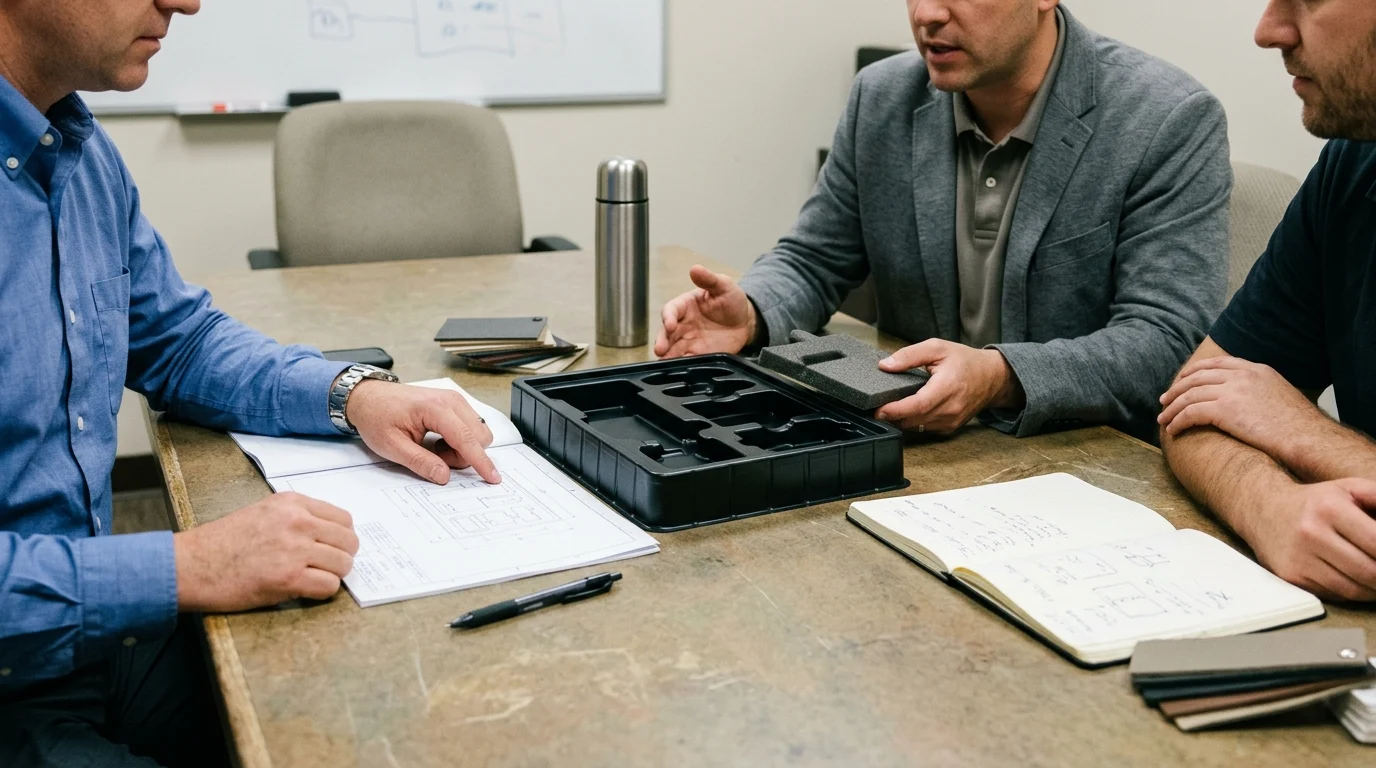
The protective efficacy of a custom tray relies heavily on the strict engineering principles applied during its development. Selecting the right base materials and defining exact physical specifications are the foundational steps in creating a high-performance packaging solution that performs consistently across thousands of units. For complex, multi-layered packaging configurations, integrating rigid Divider Sheets between stacked trays can further enhance structural integrity, prevent compression damage, and distribute heavy top-loads evenly.
Packaging engineers must work within incredibly strict manufacturing tolerances, often requiring precision down to +/- 0.5 millimeters, to ensure the product fits snugly without requiring excessive force during insertion or removal.
Which materials and fit specifications matter most
Material selection dictates the tray's fundamental characteristics, including shock absorption capabilities, chemical resistance, and thermal stability. For sensitive electronics, materials must feature specific surface resistivity ranges, typically engineered between 10^4 and 10^11 ohms, to provide adequate static shielding or static dissipation. This prevents catastrophic electrical shorts during transit.
Fit specifications involve calculating the exact dimensional clearance required to accommodate allowable manufacturing variances in the product itself. Engineers utilize strategic undercuts, friction fits, and precisely placed finger holes to balance secure retention with ergonomic extraction. The goal is to ensure the product remains locked in place during a drop event, yet allows the end-user or an automated robotic arm to remove the item without applying damaging leverage or experiencing vacuum resistance.
How to compare foam, molded pulp, and thermoformed plastic
Packaging engineers typically choose between three primary material categories: cross-linked polyethylene (XLPE) or polyurethane (PU) foam, molded pulp, and thermoformed plastics like Polyethylene Terephthalate (PET) or High-Impact Polystyrene (HIPS). Thermoformed plastic offers exceptional structural rigidity, low particulate generation, and precise dimensional tolerances, making it ideal for high-speed automation and cleanroom environments.
Molded pulp provides excellent sustainability metrics and highly effective shock absorption for heavier items, but it generally lacks the micro-precision and cosmetic appeal of thermoformed plastic. Foam excels in dampening high-frequency vibrations and cushioning extreme impacts for highly fragile, low-volume items, but it often requires higher labor costs for assembly and presents end-of-life recycling challenges.
| Material Type | Tooling Cost Estimate | Typical Tooling Lead Time | Best Application Profile | Sustainability Profile |
|---|---|---|---|---|
| Thermoformed Plastic (PET/HIPS) | $2,000 - $8,000 | 2 - 4 Weeks | High-volume, precision fit, automated assembly | High (if using 100% post-consumer recycled PET) |
| Molded Pulp | $3,000 - $12,000 | 4 - 6 Weeks | Medium-volume, heavy items, eco-conscious brands | Excellent (biodegradable, widely curbside recyclable) |
| CNC Cut Foam (PE/PU) | $0 - $500 | 1 - 2 Weeks | Low-volume, extreme shock absorption, prototypes | Low to Moderate (recycling infrastructure is limited) |
What testing and validation criteria to use
Validating tray performance requires rigorous physical testing against established international standards, such as those published by the International Safe Transit Association (ISTA) or the American Society for Testing and Materials (ASTM). Protocols like ISTA 3A simulate real-world parcel delivery environments through a rigorous series of drop tests, random vibration profiles, and compressive forces.
A standard validation process might subject the packaged product to a 36-inch free-fall drop onto a solid steel plate across multiple orientations, striking specific faces, edges, and corners. During these tests, micro-accelerometers attached directly to the product measure the transmitted shock in G-forces. This quantifiable data verifies that the custom tray successfully dissipates kinetic energy, keeping the transmitted impact well below the product's defined fragility threshold and ensuring a zero-damage transit cycle.
How to Design Custom Made Trays for Packing Efficiency
Beyond protecting the product during rigorous transit, inner packaging must integrate seamlessly into the manufacturer's fulfillment operations. Designing for packing efficiency minimizes manual labor costs, reduces ergonomic strain on workers, and maximizes overall throughput on the assembly line.
When handling bulk components in a business-to-business environment, combining precision inner trays with robust outer containers like Plastic Honeycomb Boxes creates a highly efficient, closed-loop material handling system. By optimizing the internal packaging geometry and standardizing the loading process, fulfillment facilities can routinely increase manual packing speeds by 30% to 50% compared to labor-intensive manual wrapping, taping, and void-fill insertion methods.
What development process teams should follow
Developing a highly efficient packaging solution follows a structured, data-driven engineering workflow. The development process begins with precise 3D CAD modeling of the product, followed by finite element analysis (FEA) to digitally simulate how the tray's geometry will perform under physical stress and compression.
Once the digital design is optimized and approved by stakeholders, suppliers produce a CNC-machined prototype mold or a 3D-printed sample for physical fitment testing. After minor geometric adjustments are made, a First Article Inspection (FAI) is conducted on the initial production run. This verifies dimensional accuracy and material distribution before moving into full-scale manufacturing. This entire development cycle typically spans 3 to 6 weeks, depending on the complexity of the mold and the responsiveness of the engineering teams.
How tray design affects packing speed and warehouse handling
The physical layout and geometry of the tray directly dictate how quickly an operator or automated robotic arm can populate the packaging on the assembly line. Features such as asymmetrical cavities, clear directional indicators, and chamfered lead-in edges guide the product into its correct orientation instantly. This significantly reduces the cognitive load and physical manipulation required by the packer, lowering the risk of repetitive strain injuries.
Furthermore, the tray design heavily impacts inbound logistics and warehouse storage density. High-performance thermoformed trays are engineered with specific draft angles that allow empty trays to nest tightly together. A highly optimized nesting ratio of 4:1 or 5:1 means that up to 80% less warehouse rack space is consumed by empty packaging inventory, drastically reducing storage overhead and minimizing the frequency of forklift movements required to replenish the packing line.
Which decision tools support tray selection
Packaging engineers and supply chain managers rely on comprehensive Total Cost of Ownership (TCO) models to evaluate and justify tray designs. These analytical tools account for far more than just the unit cost of the plastic or pulp. They factor in the amortization of the tooling over the product's lifecycle, the labor cost per unit packed, the dimensional weight (DIM weight) shipping costs of the final carton, and the projected financial savings from damage reduction.
Advanced simulation software also aids decision-making by predicting how different cavity layouts will affect the overall footprint of the master carton. By digitally testing various configurations, teams can optimize the number of units that fit per pallet, maximize freight efficiency, and significantly lower the carbon footprint of their distribution network.
How to Evaluate Cost, Suppliers, and Compliance
Sourcing custom inner packaging requires a careful, analytical evaluation of financial variables, supplier technical competencies, and evolving regulatory frameworks. The upfront capital investment in custom tooling must be clearly justified by the long-term operational savings, increased throughput, and dramatic reduction in product loss.
Depending on the chosen material, part size, and geometric complexity, initial tooling costs can range from $1,500 for single-cavity prototype resin molds to upwards of $15,000 for complex, multi-cavity, water-cooled aluminum molds designed for high-speed, continuous thermoforming lines. Understanding the cost levers and compliance requirements ensures a sustainable and profitable packaging strategy.
What drives the total cost of custom made trays
The ongoing unit cost of a custom tray is primarily driven by material weight, raw resin pricing, and manufacturing cycle times. Heavier gauge plastics, which are required to support heavy industrial parts, consume more raw material and require longer heating and cooling cycles in the thermoforming machine, thereby increasing the price per unit.
Additionally, Minimum Order Quantities (MOQs) play a significant role in pricing structures. Packaging suppliers typically require MOQs between 5,000 and 10,000 units to absorb the extensive setup times and material waste associated with calibrating industrial thermoforming equipment. For lower production volumes, the per-unit cost increases sharply, making careful material selection and simplified tool design critical for managing the budget of niche or low-volume product lines.
How to assess supplier design and manufacturing capability
Evaluating a potential packaging supplier extends far beyond simply comparing unit quotes; it requires a thorough audit of their quality management systems and technical infrastructure. High-value product manufacturers should exclusively partner with suppliers holding ISO 9001 certifications and demonstrating strict statistical process control (SPC) capabilities.
For medical device or highly sensitive electronic applications, the supplier must operate certified ISO Class 7 or Class 8 cleanrooms to prevent particulate contamination during the forming and cutting processes. A highly capable packaging supplier should consistently demonstrate historical defect rates below 500 Parts Per Million (PPM) and possess robust in-house tooling and CNC capabilities. In-house tooling is crucial as it significantly accelerates design revisions, prototype delivery, and routine mold maintenance.
Which compliance and sustainability requirements apply
Custom inner packaging must adhere to a complex, constantly evolving web of regional and industry-specific regulations. In the global electronics sector, packaging materials must strictly comply with the Restriction of Hazardous Substances (RoHS) and REACH directives to ensure no banned chemicals or heavy metals are present in the plastic. For food, pharmaceutical, and medical applications, the use of FDA-approved, virgin-grade resins is legally mandatory.
Furthermore, stringent Extended Producer Responsibility (EPR) laws and aggressive corporate sustainability mandates are forcing a rapid shift toward highly recyclable materials. Utilizing mono-material packaging designs, such as trays formed from 100% post-consumer recycled PET (rPET), ensures the packaging can be easily integrated into existing municipal recycling streams without incurring new plastic taxes or requiring specialized, energy-intensive processing.
How to Choose the Right Custom Made Tray Solution
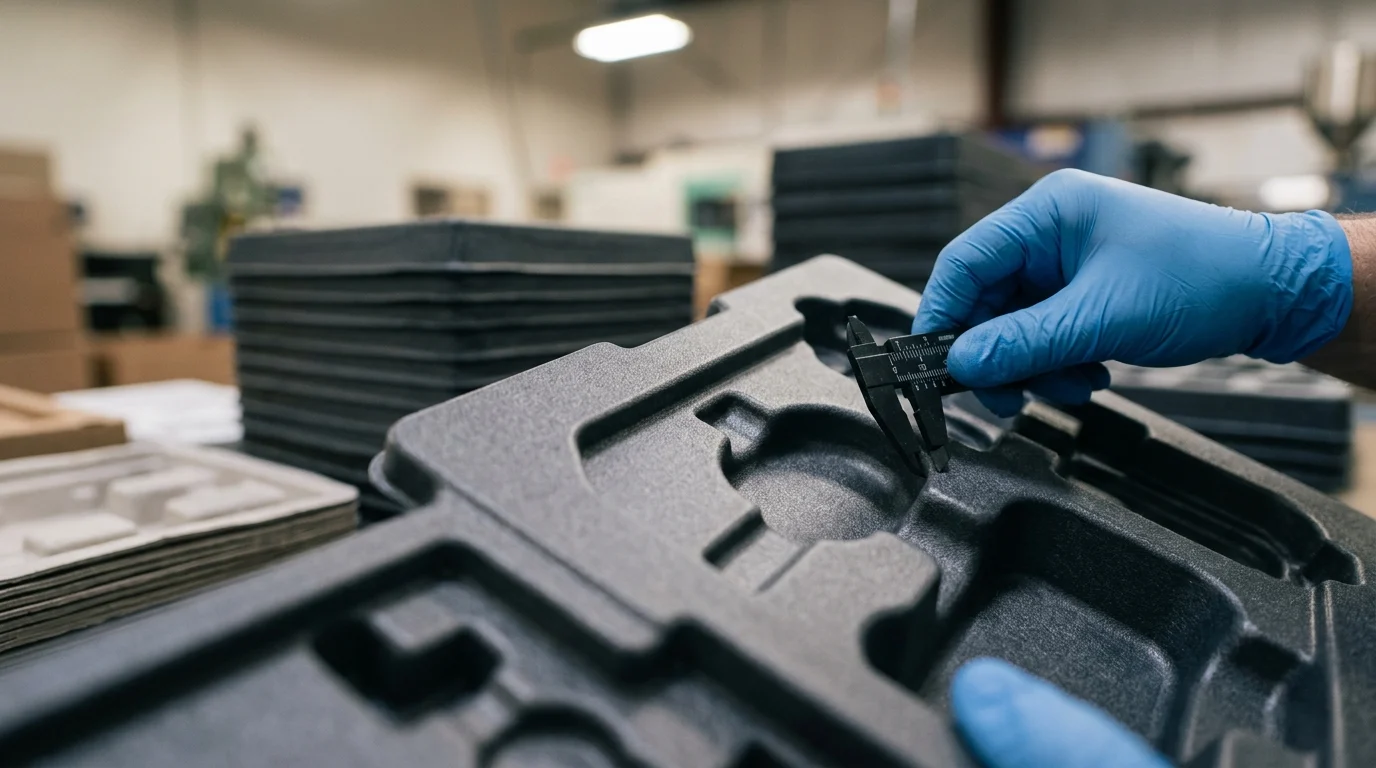
Finalizing the ideal custom packaging strategy involves aligning the precise technical specifications of the tray with the broader commercial and logistical goals of the organization. Decision-makers must synthesize complex data regarding supply chain logistics, end-user unboxing experience, and environmental impact.
A poorly optimized tray design can lead to severe over-packaging, which not only wastes raw material but can needlessly inflate the outer carton dimensions. This dimensional bloat can increase dimensional weight (DIM weight) shipping charges by 15% to 20% across a global distribution network, rapidly eroding profit margins on high-volume product lines.
Which stakeholder questions to ask before selecting a tray
A successful packaging engineering project requires deep cross-functional alignment long before cutting any steel for production molds. Engineering teams must clearly define the technical baseline: What are the exact fragility limits, weight distribution, and thermal constraints of the product? Supply chain and logistics managers need to determine spatial constraints: Will this specific tray design optimize our pallet utilization and fit efficiently within standard global shipping containers?
Simultaneously, the marketing, sales, and product design teams must evaluate the customer-facing aspects of the packaging: Does the extraction sequence, tactile feel, and visual presentation of the tray accurately reflect the premium nature of the brand? Addressing these diverse stakeholder questions early in the CAD phase prevents incredibly costly mid-production redesigns and ensures the final packaging solution serves the entire product lifecycle effectively.
How to balance protection, presentation, and sustainability
Achieving the absolute optimal packaging solution requires navigating a delicate balance between competing priorities: protection, presentation, and sustainability. Over-engineering a tray for maximum theoretical protection can result in a bulky, visually unappealing unboxing experience and utilize excessive plastic, directly violating corporate sustainability targets. Conversely, prioritizing ultra-minimalist, eco-friendly materials might severely compromise drop-test performance for heavy, highly fragile items, leading to unacceptable damage rates.
Leading global brands resolve this inherent tension by utilizing advanced geometric engineering—such as strategic structural ribbing, contoured sidewalls, and reinforced corners—that maximize structural rigidity while minimizing overall material thickness. This technique, known as down-gauging, provides a premium aesthetic presentation and rigorous shock protection while maintaining a remarkably low carbon footprint and reducing overall material costs.
Key Takeaways
- The most important conclusions and rationale for Custom Made Trays
- Specs, compliance, and risk checks worth validating before you commit
- Practical next steps and caveats readers can apply immediately
Frequently Asked Questions
What products benefit most from custom made trays?
High-value fragile items like medical devices, semiconductors, optics, aerospace parts, and luxury goods benefit most because trays immobilize products and reduce scuffs, shocks, and returns.
How do custom made trays reduce transit damage?
They match the product’s shape, stop internal movement, and spread impact across stronger areas instead of fragile edges, switches, lenses, or screens.
What tray materials are best for sensitive electronics?
Use ESD-safe plastic trays with controlled surface resistivity, typically in the 10^4 to 10^11 ohm range, to reduce static risk during handling and shipping.
Can Joy provide custom trays for stacked or heavy shipments?
Yes. Joy can pair custom made trays with divider sheets to improve stacking strength, distribute top-load pressure, and help prevent compression damage in transit.
What information is needed to design a custom tray?
Provide product dimensions, weight, fragility points, shipping method, quantity, and any cleanroom or ESD requirements so the tray fit and material can be specified accurately.